
 New Dresses
 New Dungarees
 New Bottoms
 New Tops
 New Kimonos
 New Accessories
 A-Line Dresses
 Midi Dresses
 Kaftan Dresses
 Smock Dresses
 Shirt Dresses
 Maxi Dresses
 Hoodie & Sweatshirt Dresses
 Sweater Dresses
 Summer Dresses
 Printed Dungarees
 Plain Dungarees
 Dungaree Dresses
 Jumpsuits
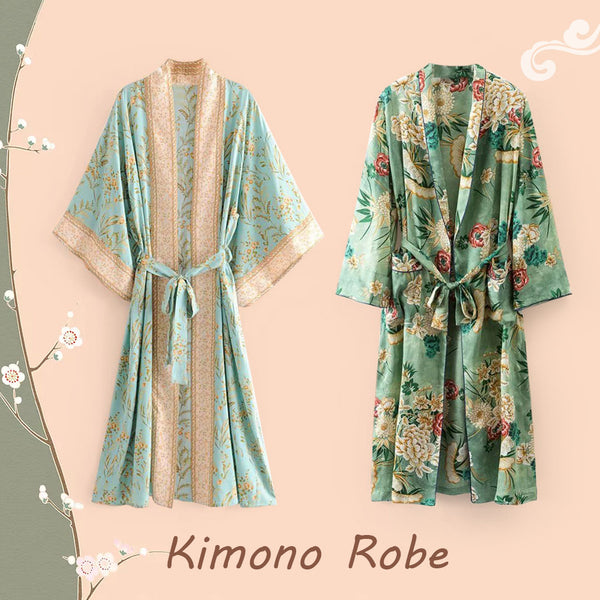
 Long Kimonos
 Short Kimonos
 All Tops
 Basic Tops
 Summer Tops
 Floral Tops
 Tunic Tops
 All Bottoms
 Cardigans
 Sweaters
 Coats
 Jackets
 Summer Wear
 Autumn & Spring
 Winter Wear
 All Jewellery
 Earrings
 Necklaces
 Jade Jewellery
 Gloves
 Bags
 Stock Clearance
 Under $20
 Under $39.99
So you've seen both yukatas and kimonos... but you're not quite sure when you're supposed to wear which? You're not alone. Let's break it down.

First Things First: Why Does It Even Matter?
Believe it or not, wearing the wrong one to the wrong place can look a little... out of place. It's kinda like showing up to a beach party in a tuxedo.
While both yukata and kimono are traditional Japanese outfits, they serve totally different purposes. One’s like a summer t-shirt and the other’s more like a wedding suit.
Yukata = Casual, Breezy, and Made for Summer
Yukatas are super light, made of cotton, and usually colorful. They're kinda the "easygoing cousin" of the kimono.
Best times to wear a Yukata:
- Summer festivals (like Hanabi Taikai 🎆)
- Fireworks displays
- Visiting an onsen or ryokan (traditional inn)
- Casual strolls in Kyoto during summer
- Evening outings in hot weather
💡 Pro tip: if it’s hot, and you’re not at a formal event, it’s probably Yukata time.
Kimono = Formal, Layered, and All About Tradition
Kimonos are more expensive, heavier, and sometimes take 20–30 minutes (plus help) to wear properly.
Occasions where Kimono is the way to go:
- Weddings (especially for the bride or close family)
- Tea ceremonies
- Coming-of-age ceremonies (Seijin no Hi)
- Graduation ceremonies (Sotsugyoushiki)
- Formal visits to shrines
- Traditional performances like Noh or Kabuki
Most kimonos are lined and seasonal — meaning you wear different types in winter vs spring.
Seasonal Guidelines (So You Don’t Sweat or Freeze)
| Season | Wear This | Why |
|---|---|---|
| Spring | Kimono | Lined but still breathable |
| Summer | Yukata | Light cotton, no inner layers |
| Fall | Kimono | Great for stylish seasonal prints |
| Winter | Kimono (w/ haori coat) | Warm and layered clothing |
🎯 Important: Yukata are only really meant for summer use.
Quick Style Differences That Give It Away
| Feature | Yukata | Kimono |
|---|---|---|
| Material | Cotton or polyester | Silk, wool, or blends |
| Layers | Single-layer | Multiple layers (needs help) |
| Accessories | Simple obi, geta sandals | Fancy obi, zori, tabi socks |
| Hair & Makeup | Often tied with flowers, simple | Elaborate hairstyles, makeup |
| When You See It | Summer festivals | Weddings, shrines, theater |
Common Questions (You're Not the Only One)
Q: Can I wear a yukata to a wedding?
Not a good idea. Yukatas are too casual. Go with a formal kimono if you’re attending something like that.
Q: Is it weird to wear a kimono during summer?
Kinda depends, but most folks avoid it unless it's for a very formal summer event (which is rare).
Q: Can tourists wear either one?
Yes — it’s totally okay. Most Japanese people actually like when tourists show appreciation for the culture (just be respectful).
✨ Final Thought
Think of yukata as your chill summer outfit for fun nights out — and kimono as your special-occasion suit or dress.
If you’re sweating and having fun? Yukata.
If you're bowing at a ceremony? Kimono.
Want a full breakdown of how yukata and kimono compare in fabric, cost, and culture?
👉 Check out our full guide here: Yukata vs Kimono: What’s the Difference?