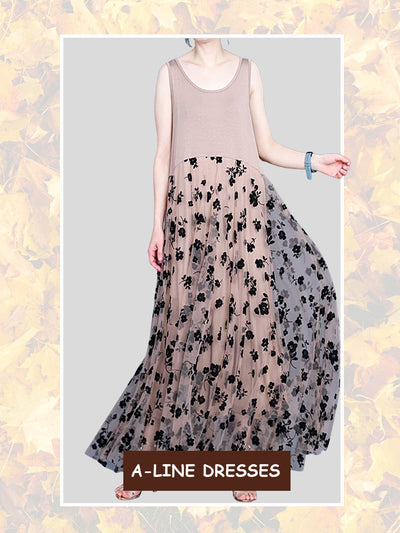
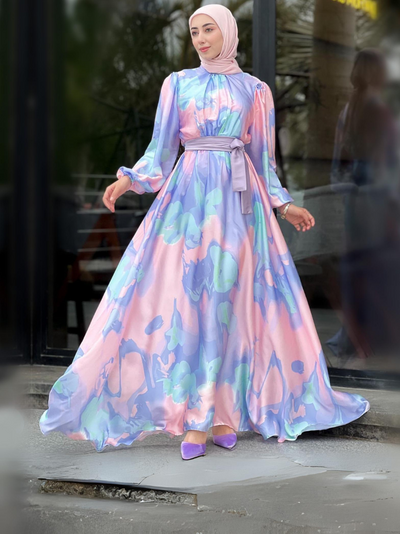
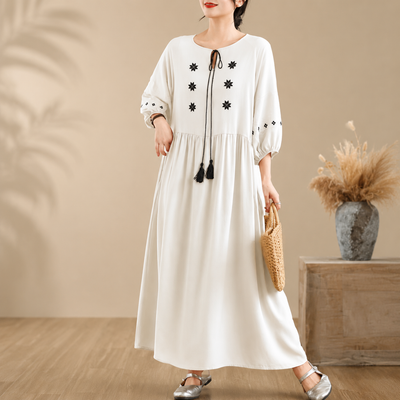
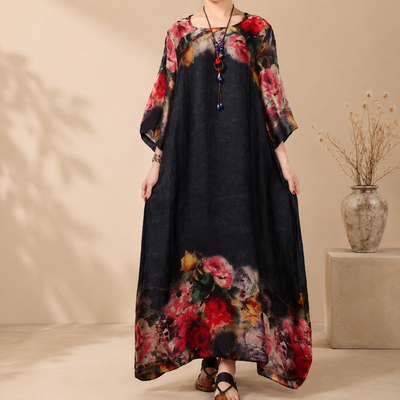
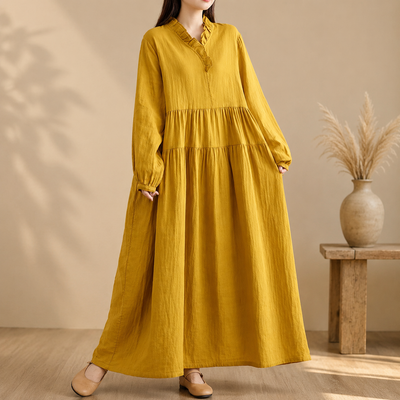

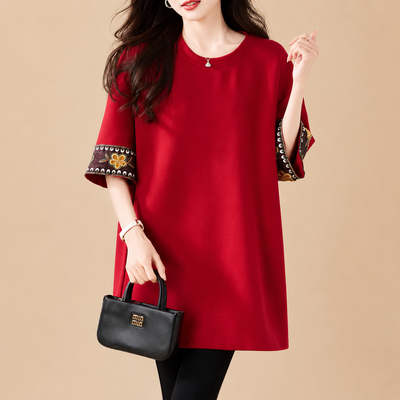
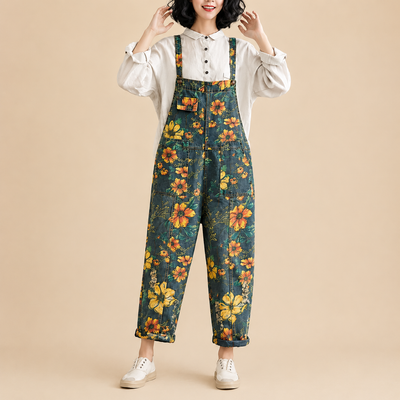
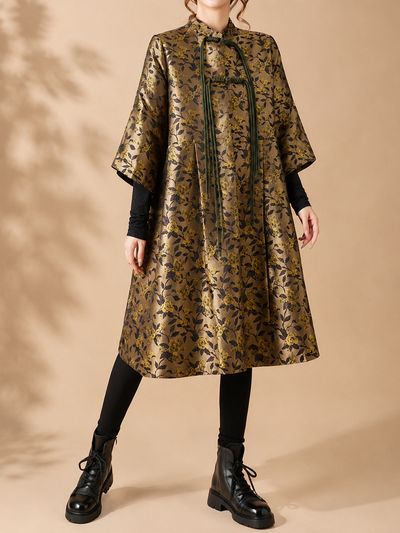
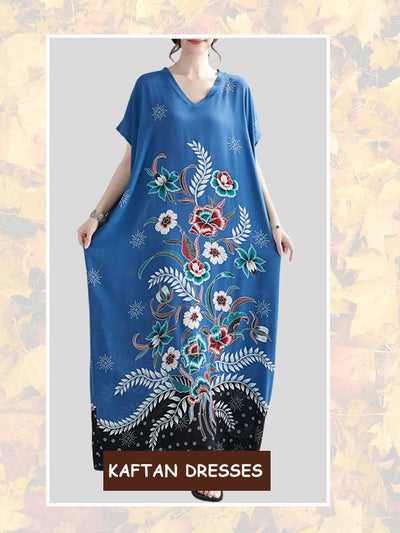
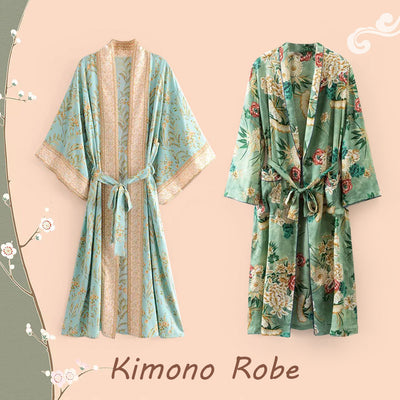
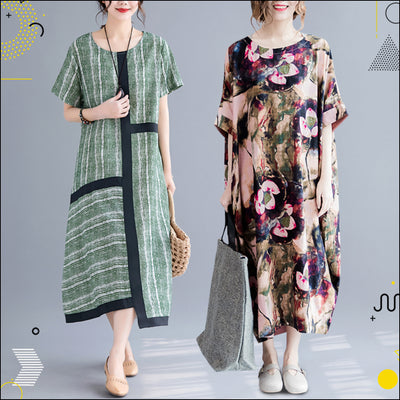
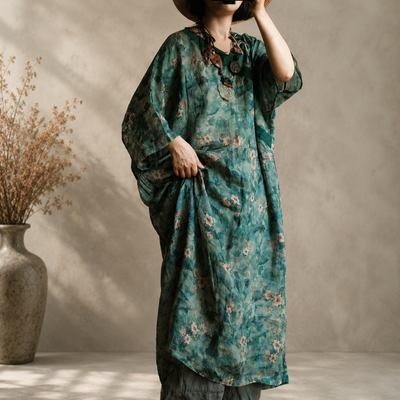
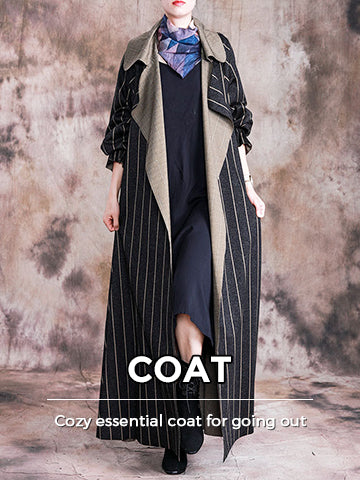
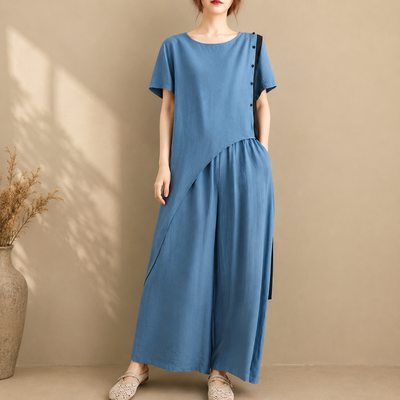

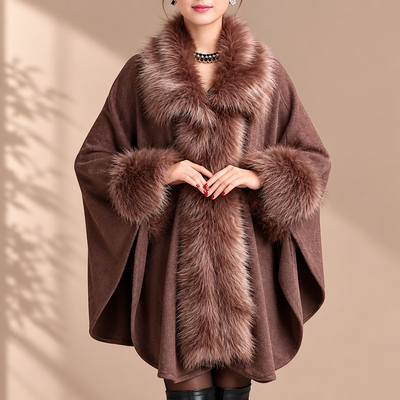
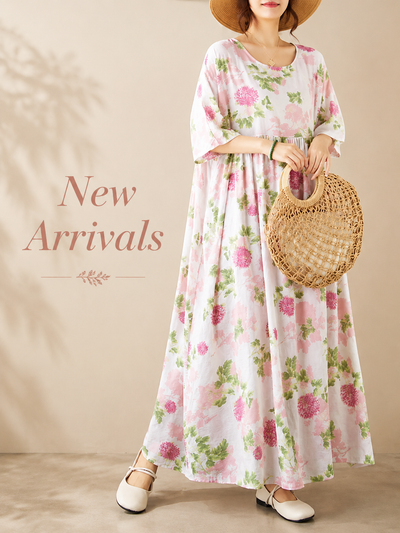
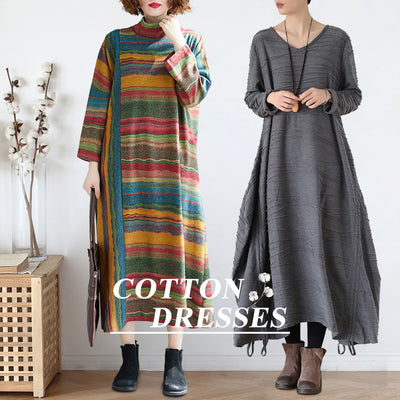
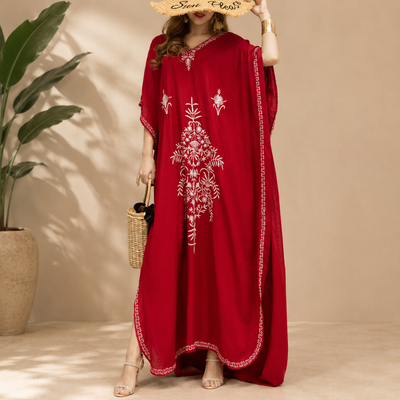
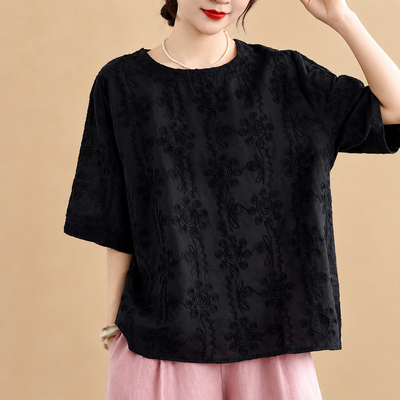
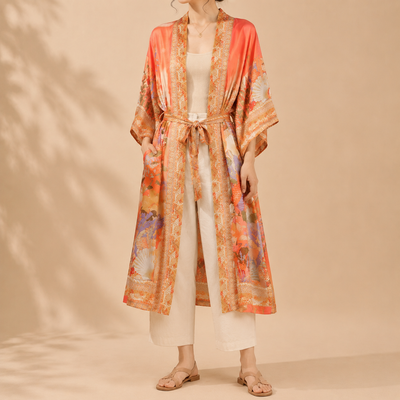
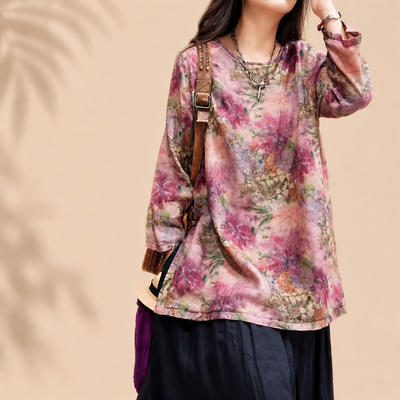
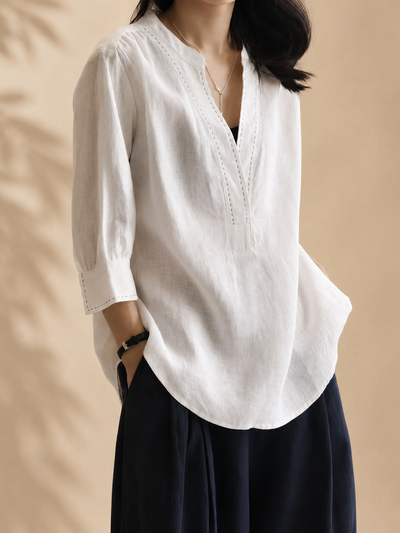
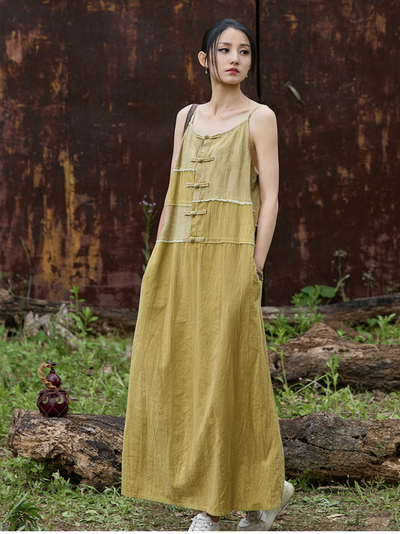
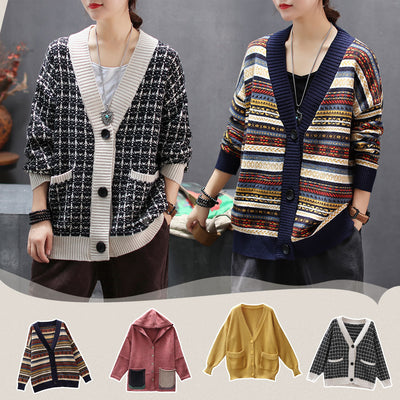
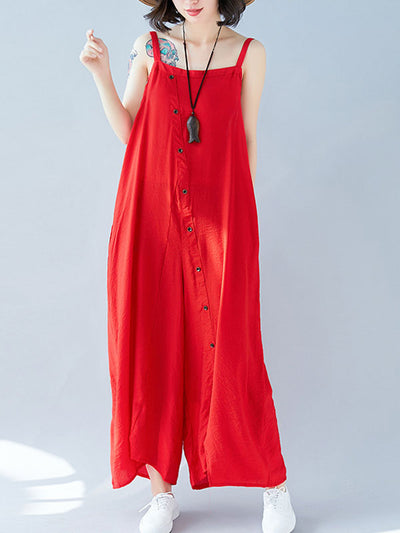
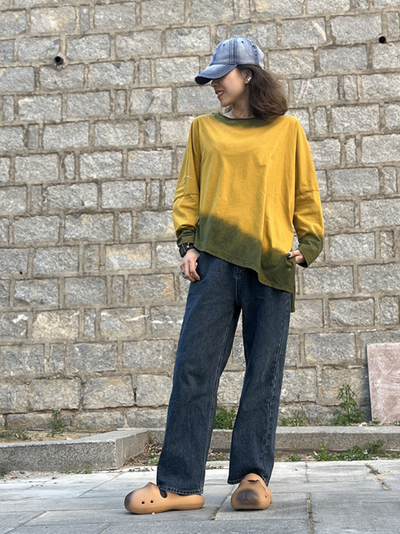
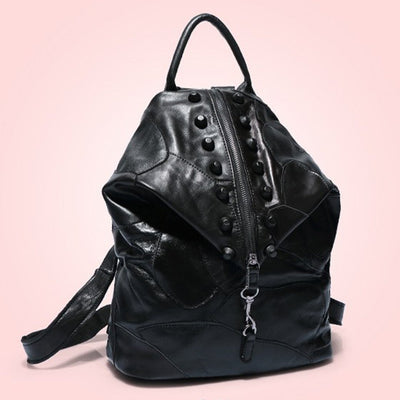
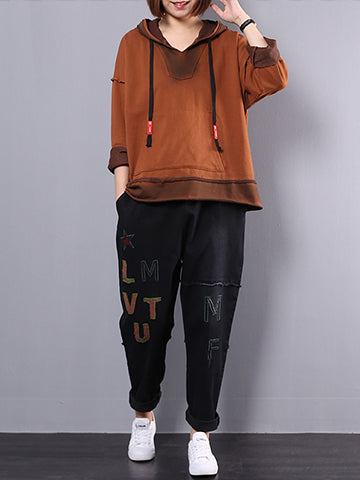
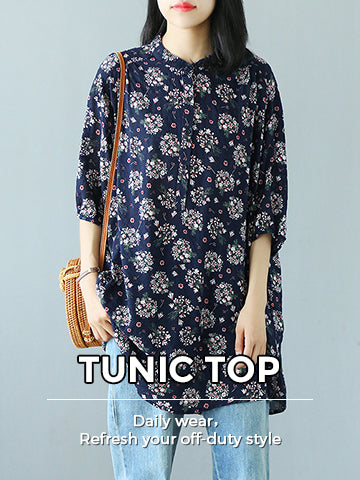
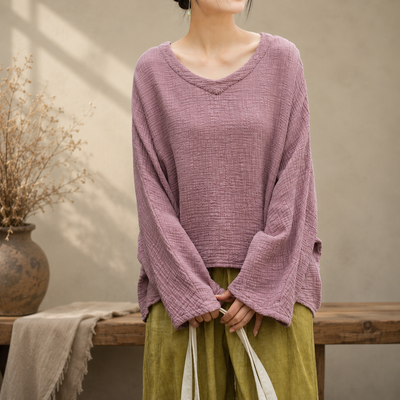


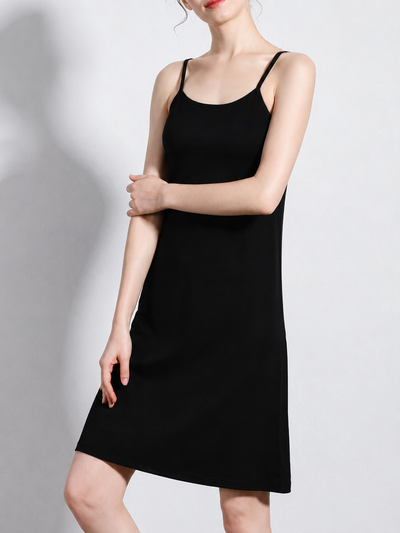
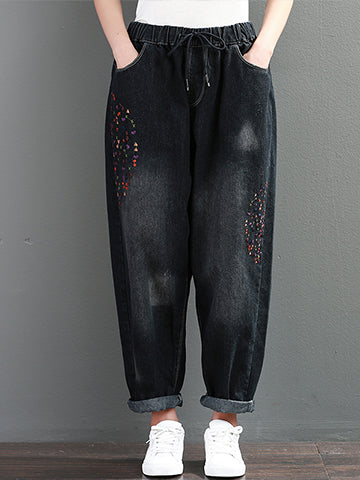
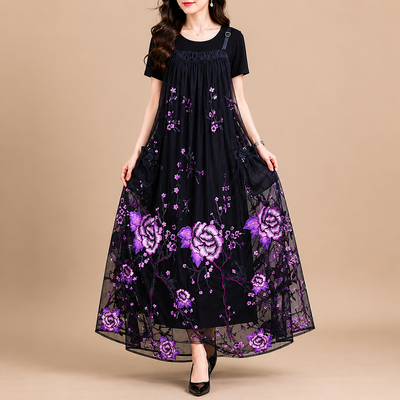
When summer heat kicks in, the wrong fabric can leave you sweaty, damp, and uncomfortable. Cotton, viscose, and linen are breathable summer fabrics, and each handles heat and moisture differently. Lightweight linen usually allows the most airflow, cotton suits everyday summer wear, and viscose has a soft, smooth drape. For hot weather dresses, shirts, or trousers, the fabric’s weight and weave can change how it feels in high heat and humidity.

Cotton vs Viscose vs Linen: Which Fabric Is Most Breathable?
Linen usually allows the most airflow. Cotton can also keep you cool when the fabric is thin and loosely woven. Viscose feels soft and smooth, but thicker types can hold more heat.
| Fabric | Airflow | Moisture | Feel | Good for |
|---|---|---|---|---|
| Linen | Very high | Absorbs moisture | Light and textured | Hot days |
| Cotton | High when thin | Absorbs moisture | Soft | Everyday clothes |
| Viscose | Moderate to high | Absorbs moisture | Smooth and fluid | Dresses and skirts |
Weight, weave, yarn, and garment design also change how much air can pass through a fabric.
Weight, weave, yarn, and garment design also change how much air can pass through a fabric.

Linen
Linen comes from flax. Its loose weave lets air pass through easily.
It works well for loose shirts, dresses, wide-leg trousers, and summer sets. Linen absorbs moisture, so heavy sweat can leave it damp. It also wrinkles easily.
Cotton
Cotton comes in many forms. Voile, lawn, gauze, and other thin cotton fabrics suit hot weather.
Cotton absorbs sweat instead of moving it away from your skin. A wet cotton shirt can stay damp for some time.
Viscose
Viscose has a smooth surface and soft drape. It works well for dresses, skirts, blouses, and wide-leg trousers.
Thin viscose can suit warm days. Dense versions may feel warmer. It absorbs moisture but does not dry sweat as fast as most activewear fabrics.

Best Fabric for Hot, Humid Weather
Humidity slows down sweat evaporation. That can leave you feeling sticky even in thin clothes.
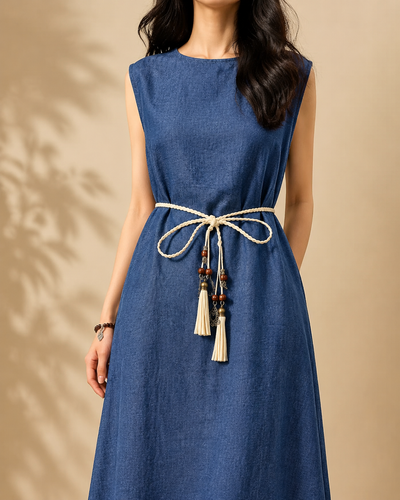
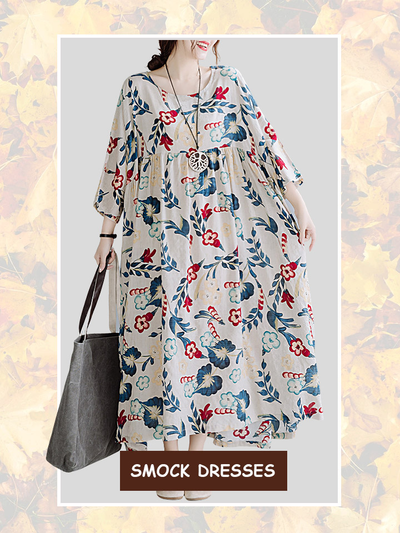
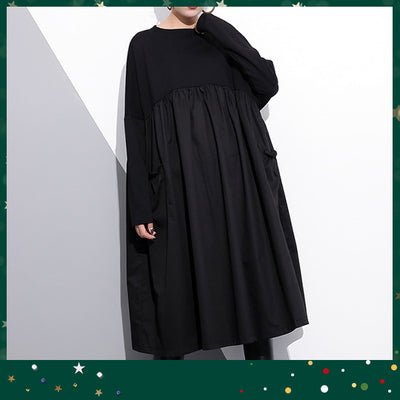
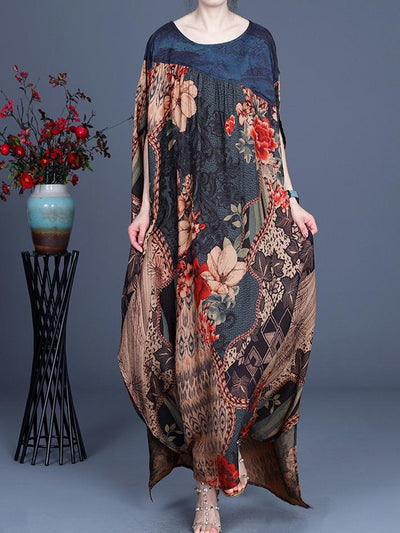
Clothes with some space around your body allow more air to move. Loose smock dresses can be a good option for hot days. They also keep damp material from pressing against your skin. Look for:
- Thin, airy materials
- Loose or relaxed cuts
- Open weaves
- Clothes that do not cling
- Vents or open areas
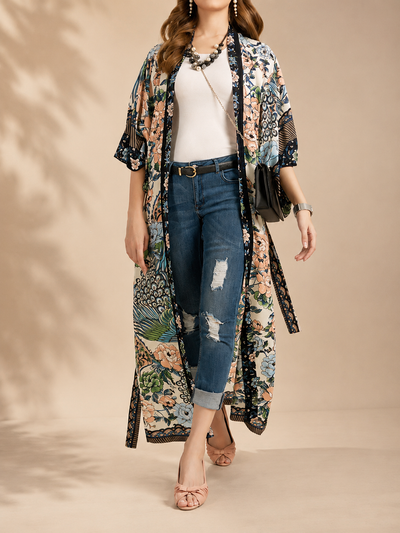
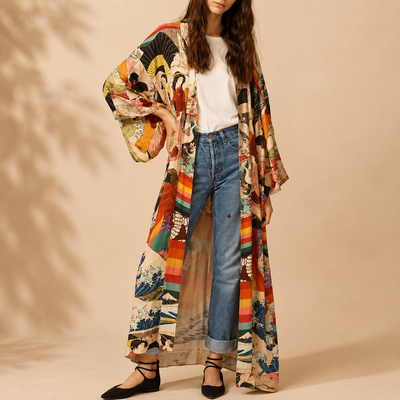
These features are useful for beach trips, outdoor weddings, commutes, and sightseeing days.
What If You Sweat a Lot?
Breathability and sweat control are different. Breathability means air can pass through the material. Sweat control means moisture moves away and dries quickly.
Cotton, linen, and viscose absorb moisture. For workouts, running, outdoor jobs, or long walks, moisture-wicking clothes can be a better choice.
Polyester and nylon are common in activewear. They can move sweat to the outside and dry faster.
For normal daily wear, this may not matter much. If you sweat heavily, a quick-drying top may feel more comfortable.

Is a Linen-Viscose Blend Good for Summer?
Yes. A linen-viscose blend can be a good choice for warm weather.
Linen gives the material an airy feel. Viscose adds softness and a smooth drape.
Do not judge the blend by its percentages alone. A 70/30 mix can feel warmer than a 50/50 mix if the material is tightly woven. Before buying, check:
- Fabric weight
- Weave
- Fiber percentages
- Garment fit
- Care instructions
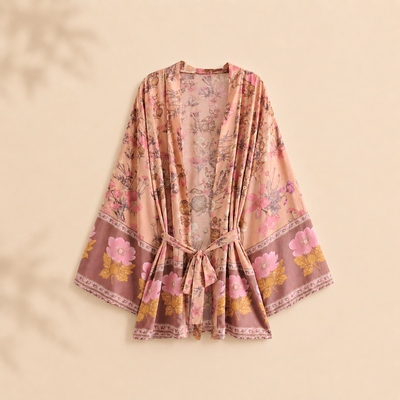
Designers use these blends for loose summer styles, including kaftan dresses, travel outfits, and casual days.
Which Fabrics Should You Avoid in Hot, Humid Weather?
Heavy materials can trap more heat. Tight clothes can make the problem worse.
Heavy denim, fleece, thick jersey, dense knits, and heavy twill can all feel warm in high temperatures.
Polyester is not always a bad choice. A basic polyester shirt may feel warm, while a sports shirt can move sweat and dry quickly.
Look at the weight, weave, and fit, not just the fiber name.
Quick Guide: Which Summer Fabric Fits Your Needs?
| Summer Situation | Look For |
|---|---|
| Very hot afternoon | Lightweight fabric with an open weave |
| Hot and humid weather | Loose cuts with good airflow |
| Summer dress | Light, soft fabric with a flowing drape |
| Outdoor wedding | Airy fabric and a relaxed fit |
| Beach vacation | Breathable, lightweight clothing |
| Summer travel | Light fabric with easy-care needs |

FAQs About Breathable Summer Fabrics
Can I wear viscose in dry heat?
Yes. Thin viscose can be comfortable in dry places such as Arizona or Nevada. Sweat also dries faster in dry air.
Does washing cotton make it more breathable?
Not always. Washing can change its texture or cause shrinkage. The weave still affects how much air passes through.
Which fabrics are better than linen for summer travel?
For active trips, moisture-wicking fabrics dry faster and feel less damp when you sweat. For casual travel, cotton, linen, and blends can be a better pick.
How can I tell if a linen dress is actually a linen blend?
Check the care label or product description. It should list every fiber and its percentage.
Does linen shrink after washing?
Yes, linen can shrink after washing, especially with high heat. Washing it in cold or lukewarm water and air drying can limit shrinkage. Always check the care label before washing.
At Eva Trends, we offer summer clothing made for warm days. Check the material, cut, and care label before you buy.
Final Thoughts
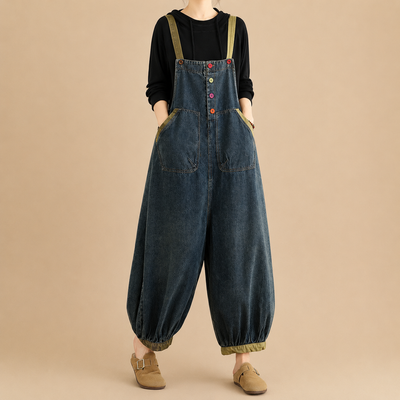
So, are denim overalls still in style in 2026? Yes. Their combination of comfort, versatility, and timeless denim makes them an easy choice for modern women's wardrobes.
The key to a fresh 2026 look is choosing the right fit, silhouette, color, and layers. From wide-leg and baggy styles to classic blue and black denim, there are plenty of ways to make overalls work for your personal style.